Industrial Visit to PCIM&H
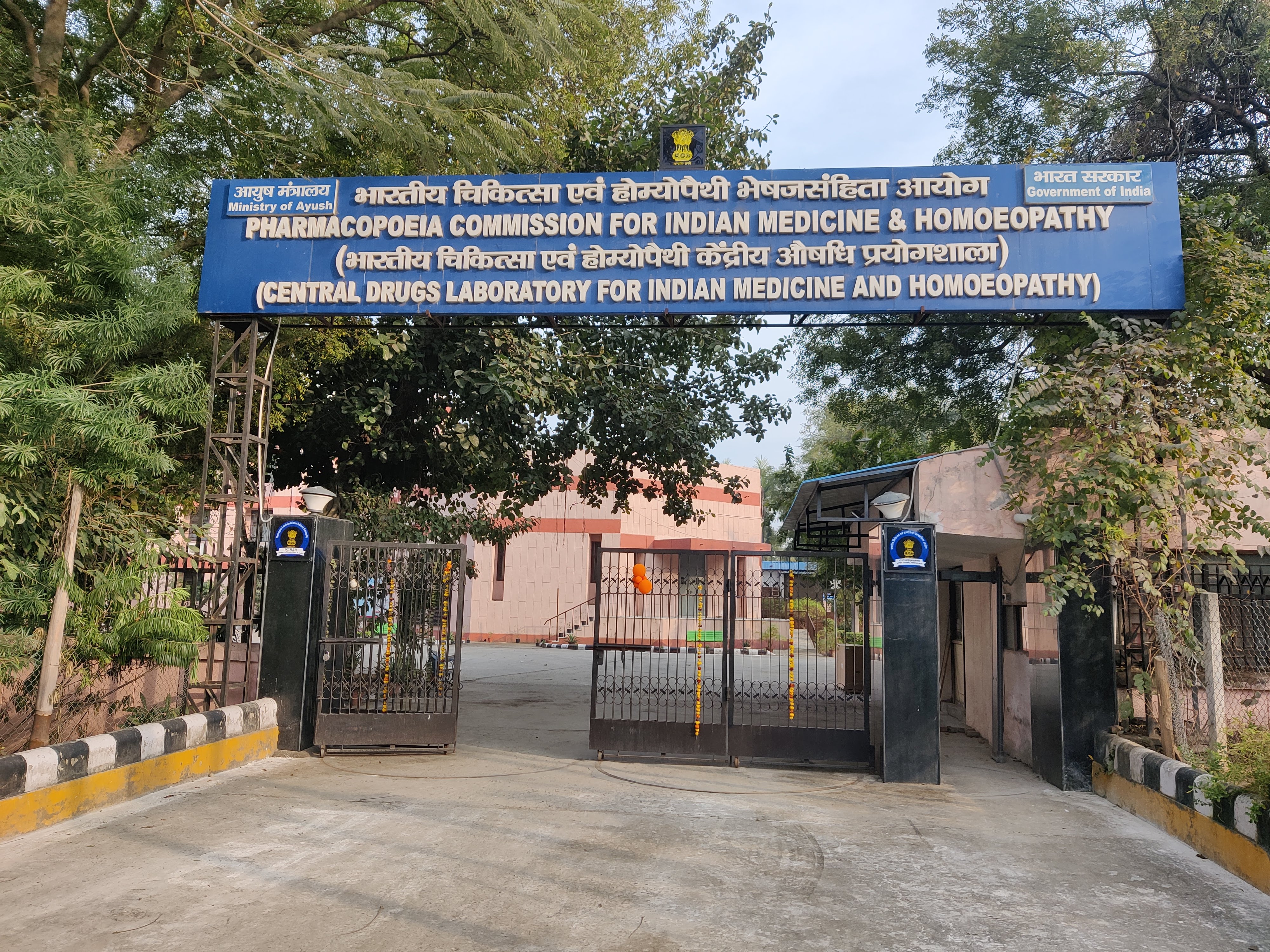
On January 30, 2026, I accompanied a batch of 87 first-year BHMS students, fellow PG scholars, CRRI interns, and faculty members on an industrial visit to the Pharmacopoeia Commission for Indian Medicine & Homoeopathy (PCIMH) in Ghaziabad, Uttar Pradesh.
As the apex laboratory responsible for the standardization of AYUSH drugs in India, getting an inside look at PCIMH is a unique opportunity. This facility operates under the Ministry of Ayush, acting as the primary authority deciding the standards of drugs exported from or imported into India, and functioning as the Central Appellate Laboratory.
Facility Breakdown & Core Technology
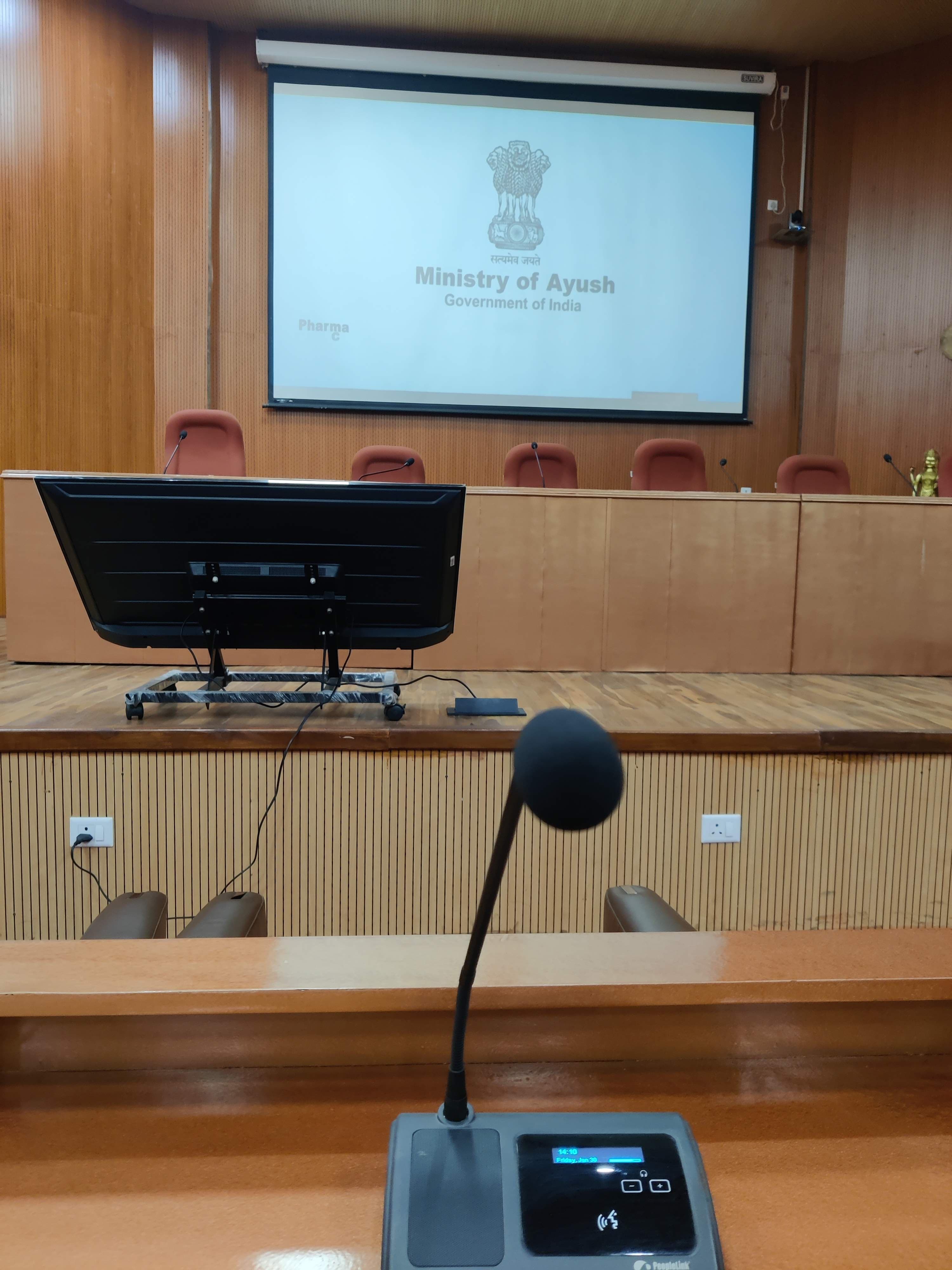
The visit began in their lecture hall where the scientists outlined their core mandate: merging traditional texts with robust modern technology.
Walking into the sophisticated analytical and chemistry laboratories, we saw them practically using heavy-duty equipment to qualify crude drugs.
- ICP-OES (Inductively Coupled Plasma Optical Emission Spectroscopy): Used directly for heavy metal profiling to prevent toxic elements from exceeding safe limits in raw botanical herbs.
- HPTLC (High-Performance Thin-Layer Chromatography): A demonstration of chemical fingerprinting, used heavily to ensure a manufacturer has not adulterated or substituted a cheaper herb for the genuine one.
The Dr. Hahnemann Museum and Plant Repositories
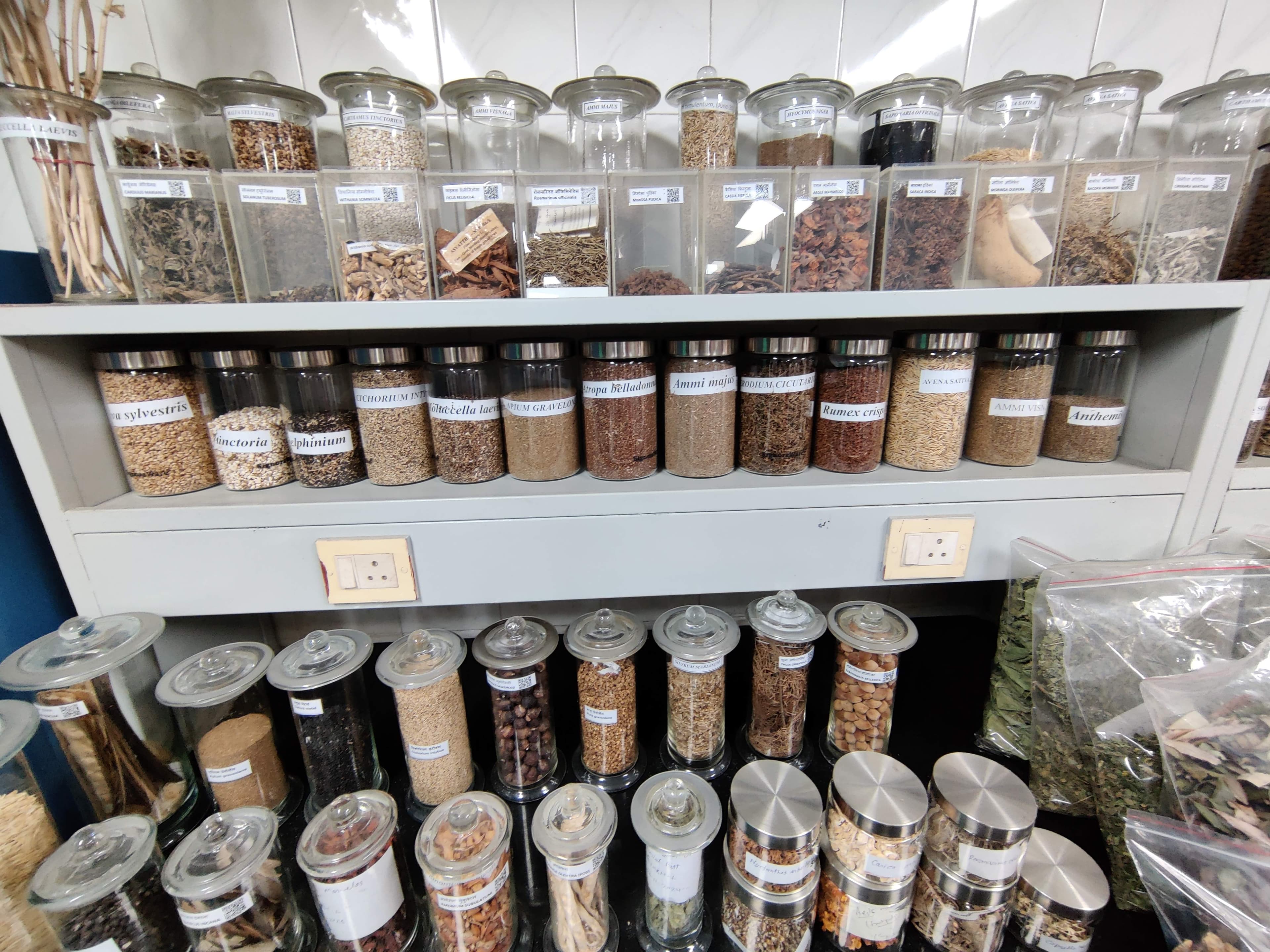
The Dr. Hahnemann Museum served as a high-tech raw drug repository. The glass jars preserved key botanical artifacts like Ledum palustre, Avena sativa, and Hyoscyamus niger. The most impressive feature was their modernization: every specimen jar was mapped with a QR code (PCIMH-RRDR) that immediately pulled up its complete botanical and pharmacopoeial profile on a mobile device.
We also toured the Medicinal Plants Garden, which serves as a living, botanical library verifying the authentic standards of plants utilized frequently in our systems of medicine.
Exploring the "One Herb, One Standard" Initiative
The panel of experts detailed their current mega-project: the "One Herb, One Standard" initiative. Historically, different traditional fields (like Ayurveda, Unani, and Homoeopathy) maintained varying monographic standards for the exact same botanical source. This initiative is explicitly designed to harmonize them into a single, rigorous monograph.
During the discussion, I raised an important question on how this translates to Homoeopathy's ultra-diluted potencies, given that no measurable physical molecules persist at potencies like 30C or 1M.
The experts clarified that standardization strictly targets the "Mother Tincture" layer—the baseline hydro-alcoholic extract. Securing absolute purity and chemical standardization at the raw material and mother tincture level assures the authenticity cascading into all subsequently potentized remedies.
Testing the PCIMH AI Chatbot
A very forward-looking moment came at the end of the visit: we were invited to beta-test a prototype PCIMH AI Chatbot.
This AI is being trained directly on PCIMH's immense databases, housing drug standards, testing protocols, HPTLC fingerprints, and thousands of monographs. After testing complex system queries on the prototype, I provided an on-camera testimonial to validate the necessity of taking this encyclopedic AI tool public. Giving students, researchers, and physicians instant access to these benchmarks is a massive leap forward for AYUSH academicians.
We walked out of the PCIMH not just with our signed certificates, but with a massive appreciation for the real evidence-based scientific standards anchoring the medicines we prescribe.
Gallery
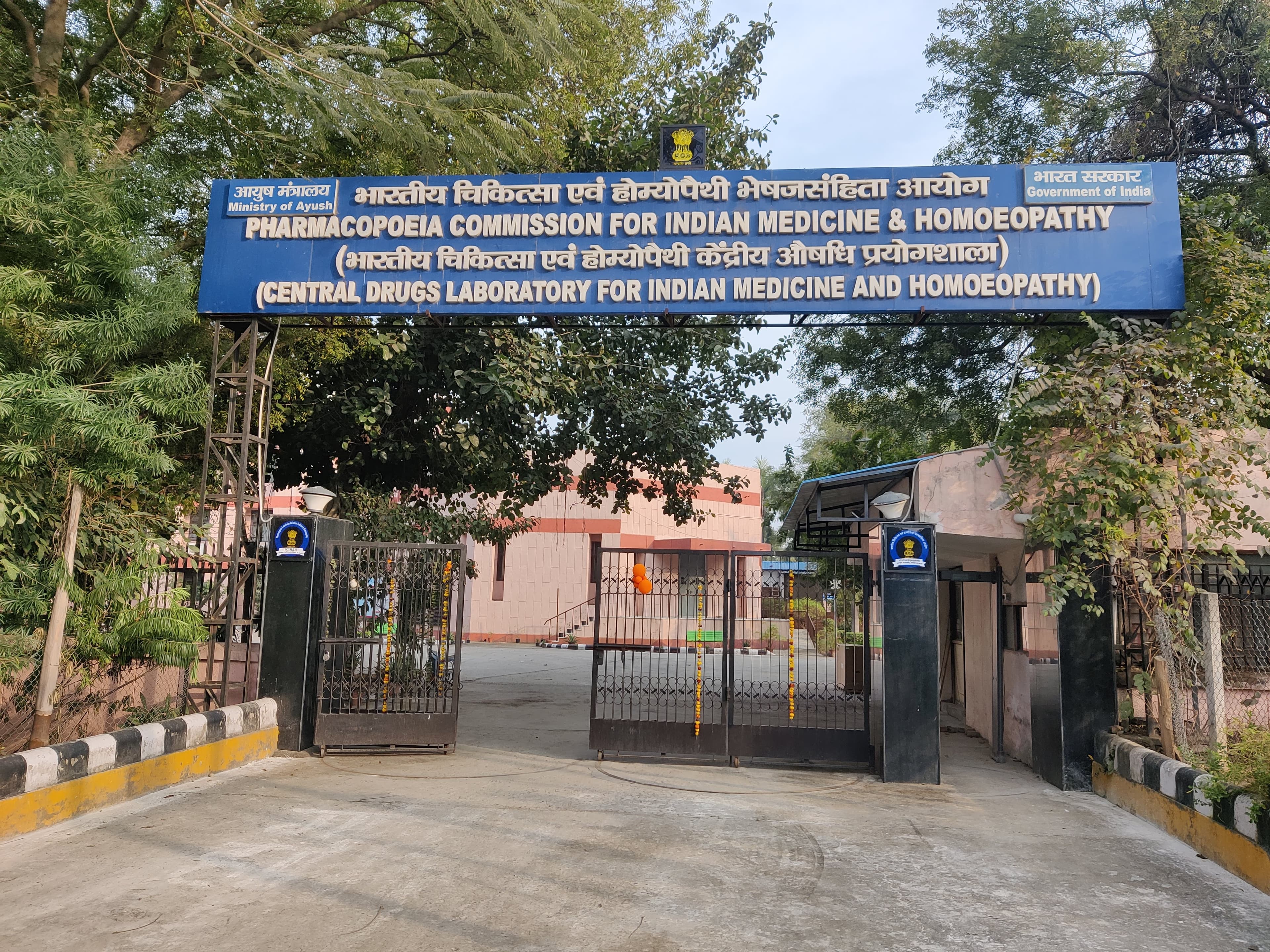
Pharmacopoeia Commission for Indian Medicine & Homoeopathy
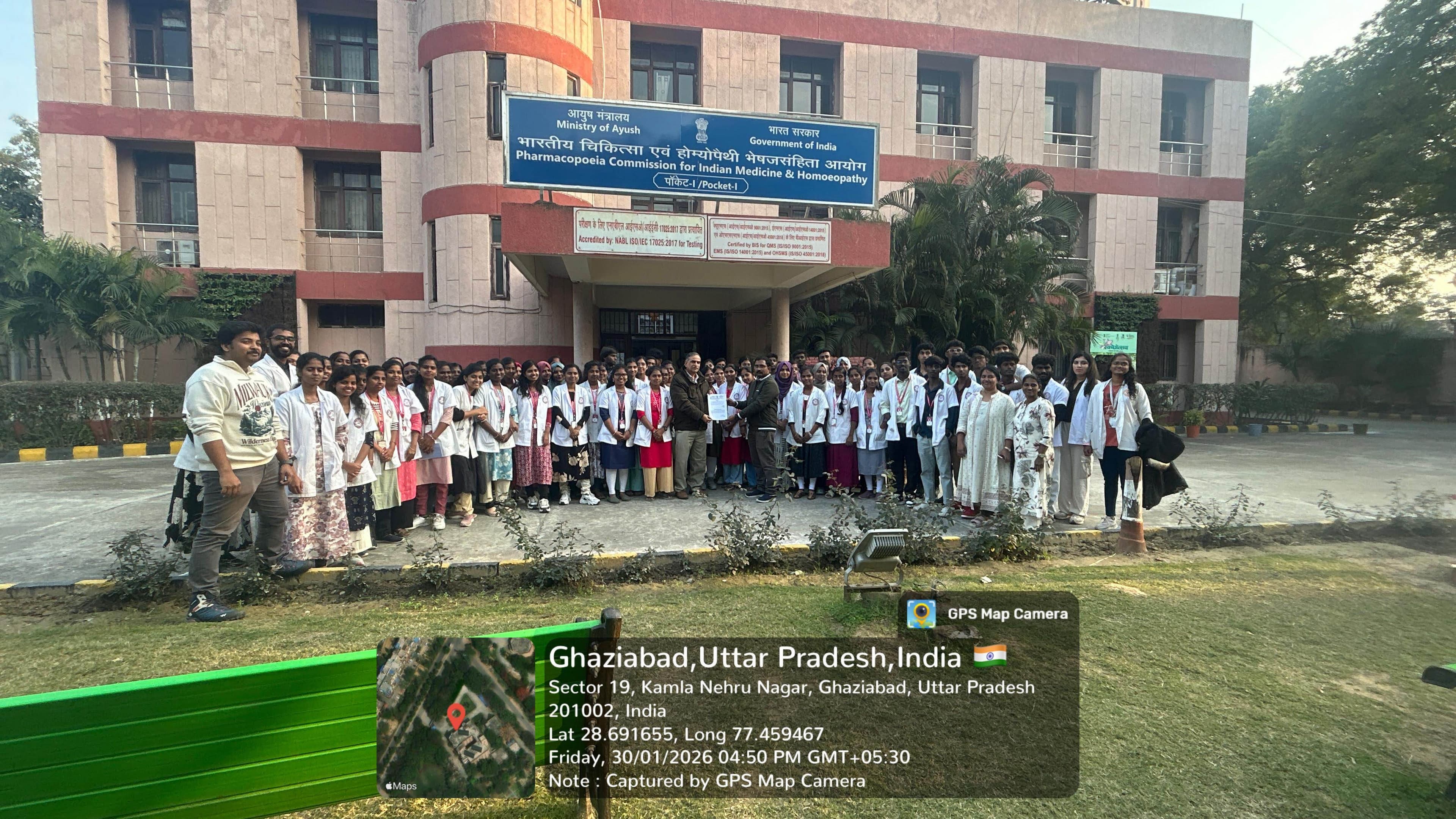
The whole contingent receiving the PCIMH certificate
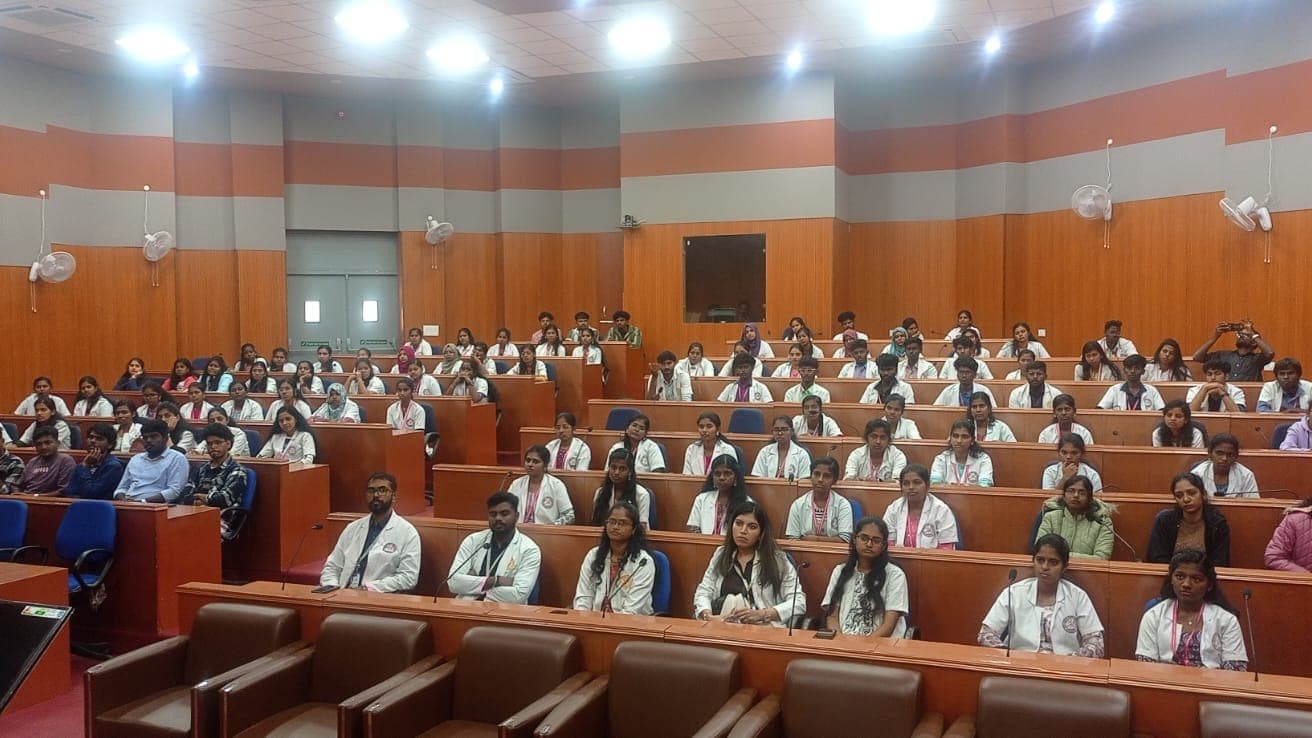
Lecture by PCIMH scientists on standardizing AYUSH drugs
Deep dive into analytical research operations
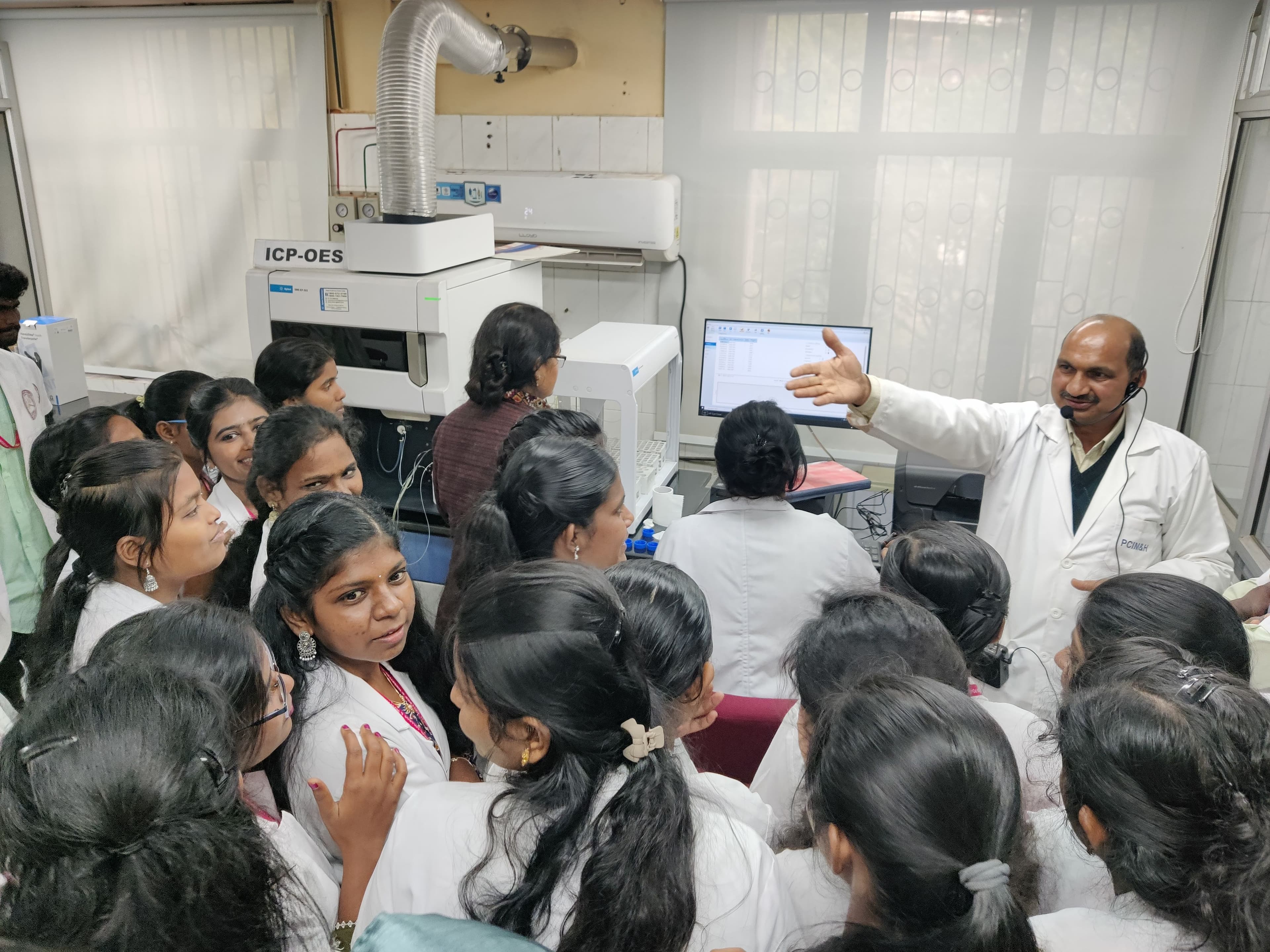
Learning about heavy metal profiling via ICP-OES
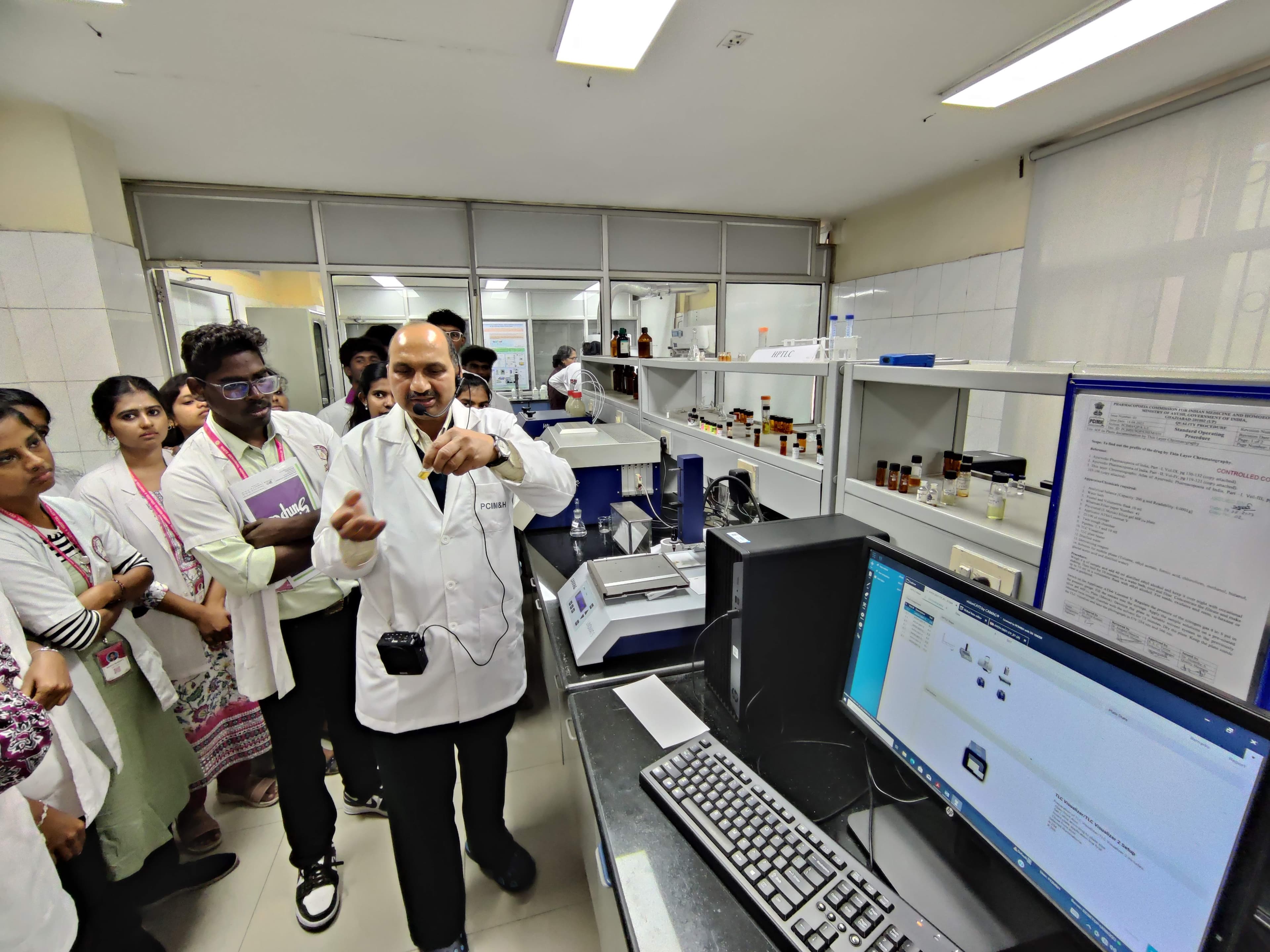
Tour of sophisticated chemistry analytical labs
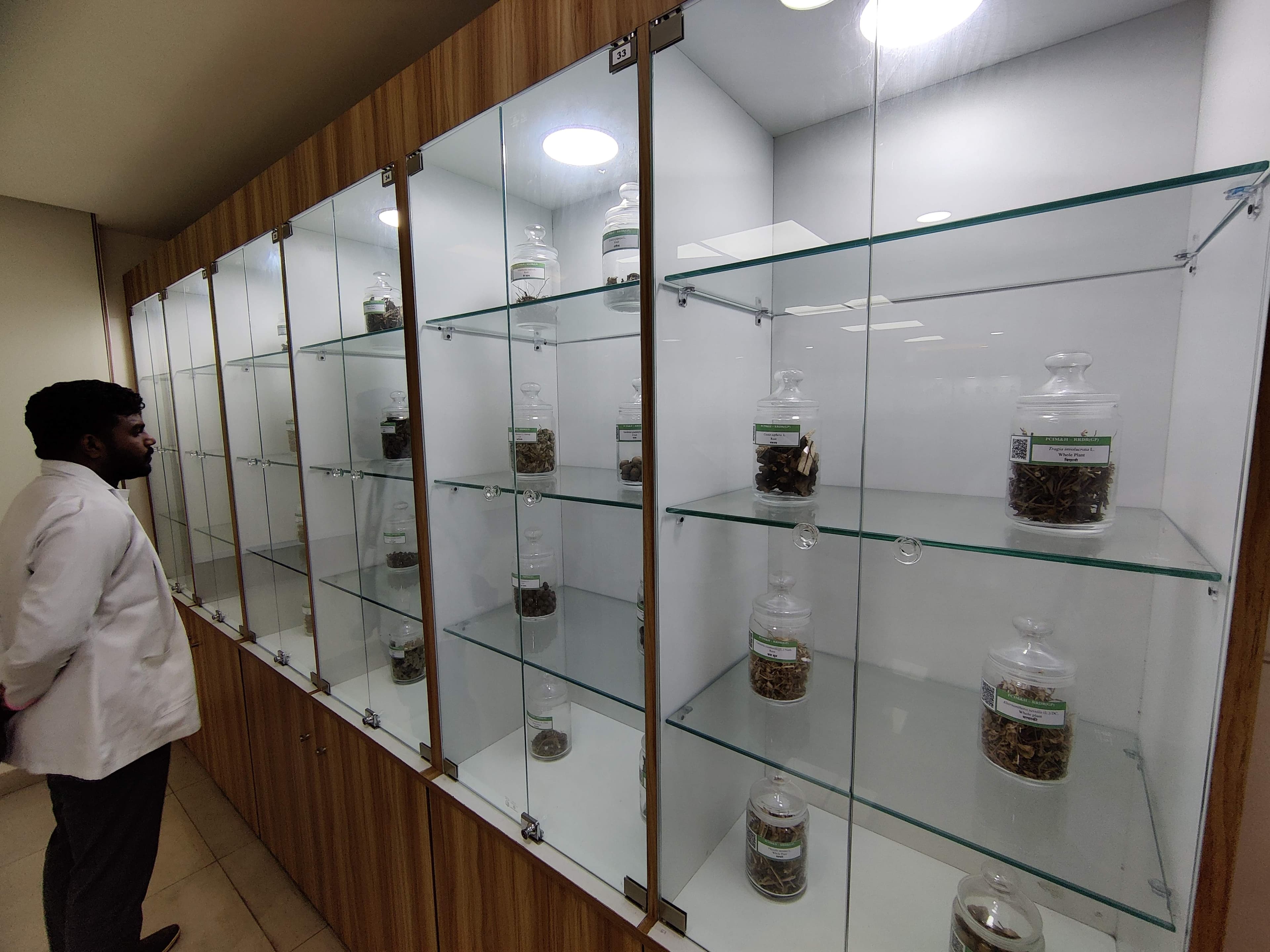
Digital cataloging with QR Codes (PCIMH-RRDR)
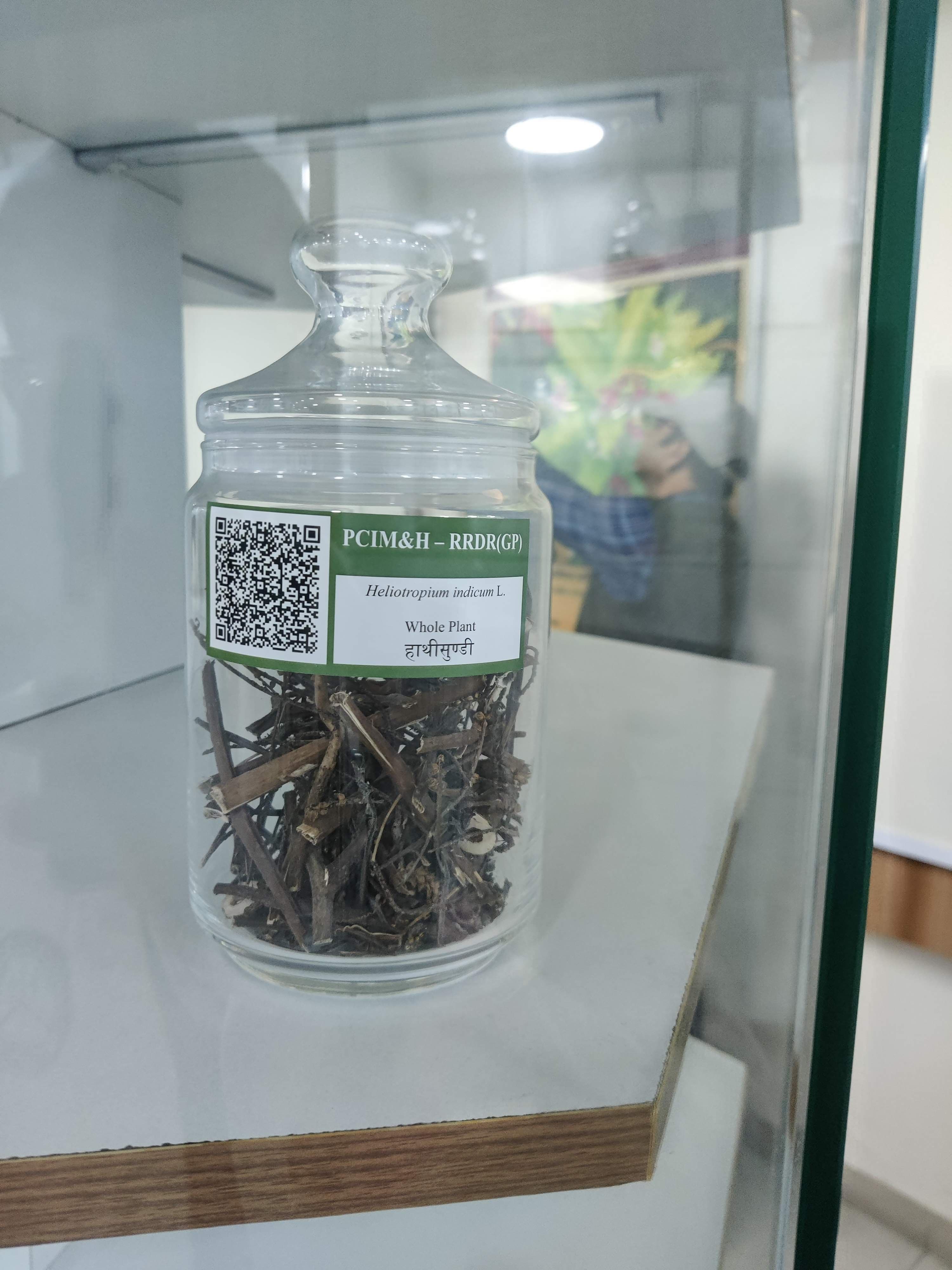
Preserved crude drug sample repository
Fresh botanical standards ready for analysis
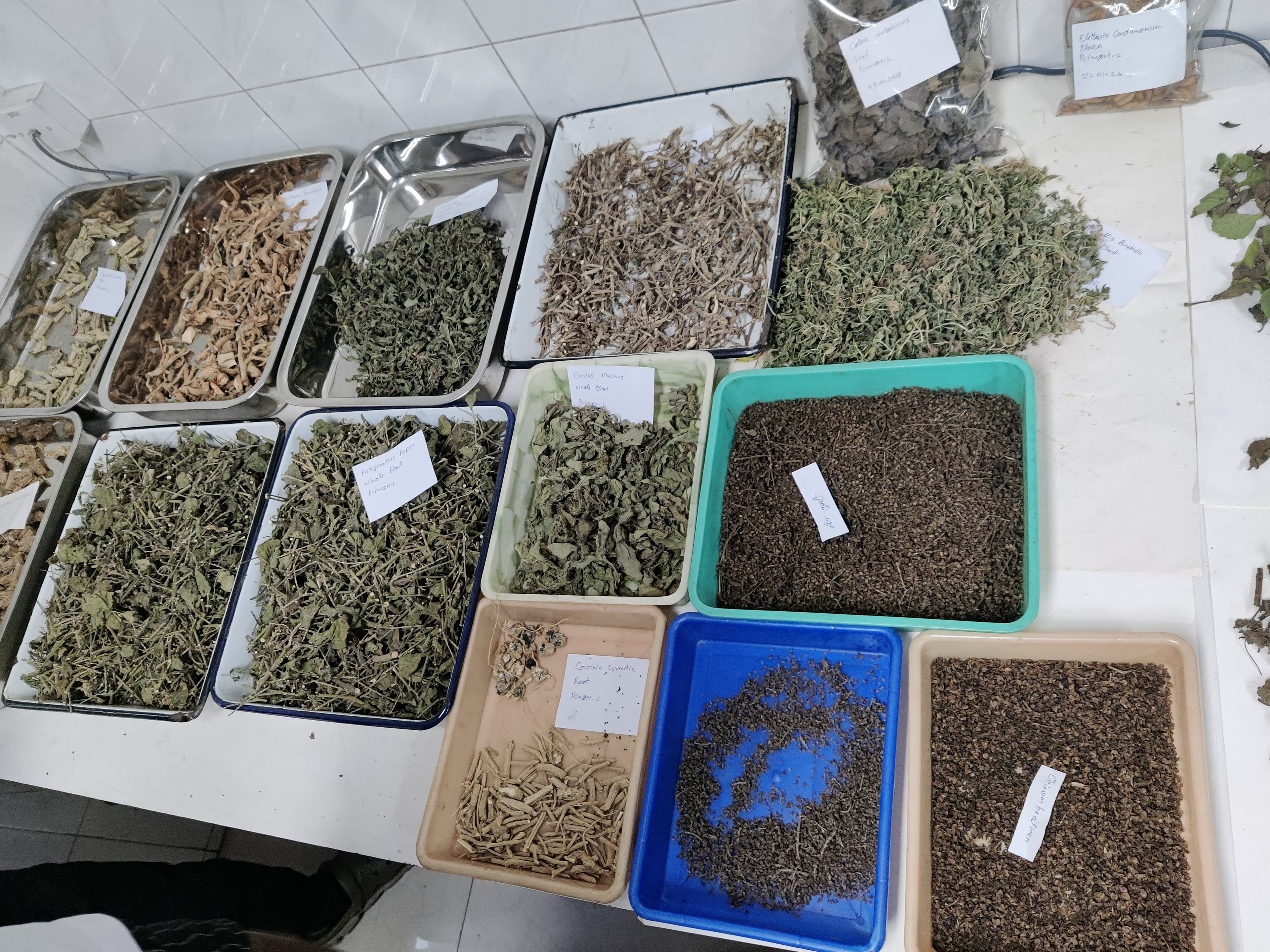
Herbal samples being prepped and dried
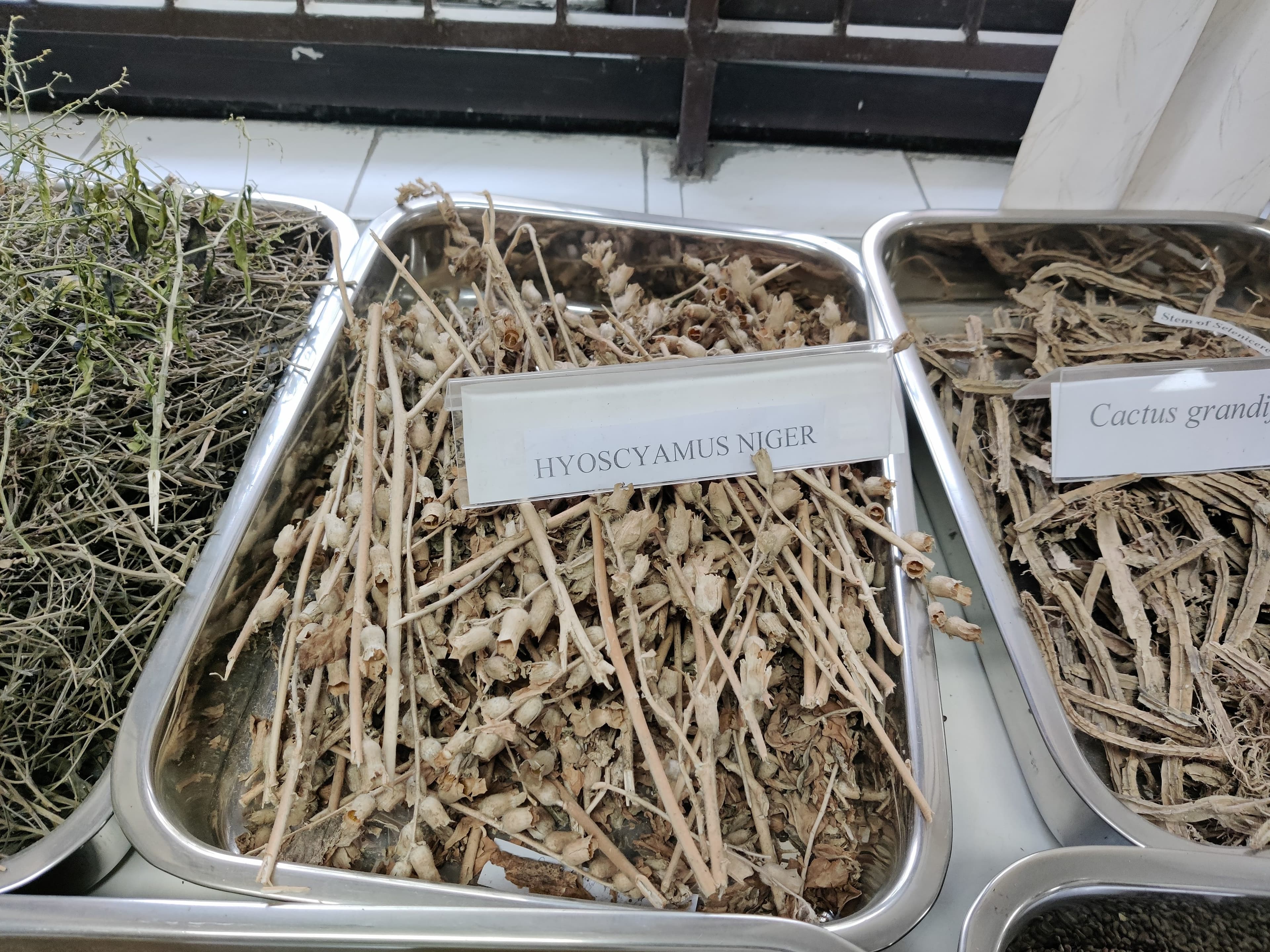
Meticulous preparation of crude herbs
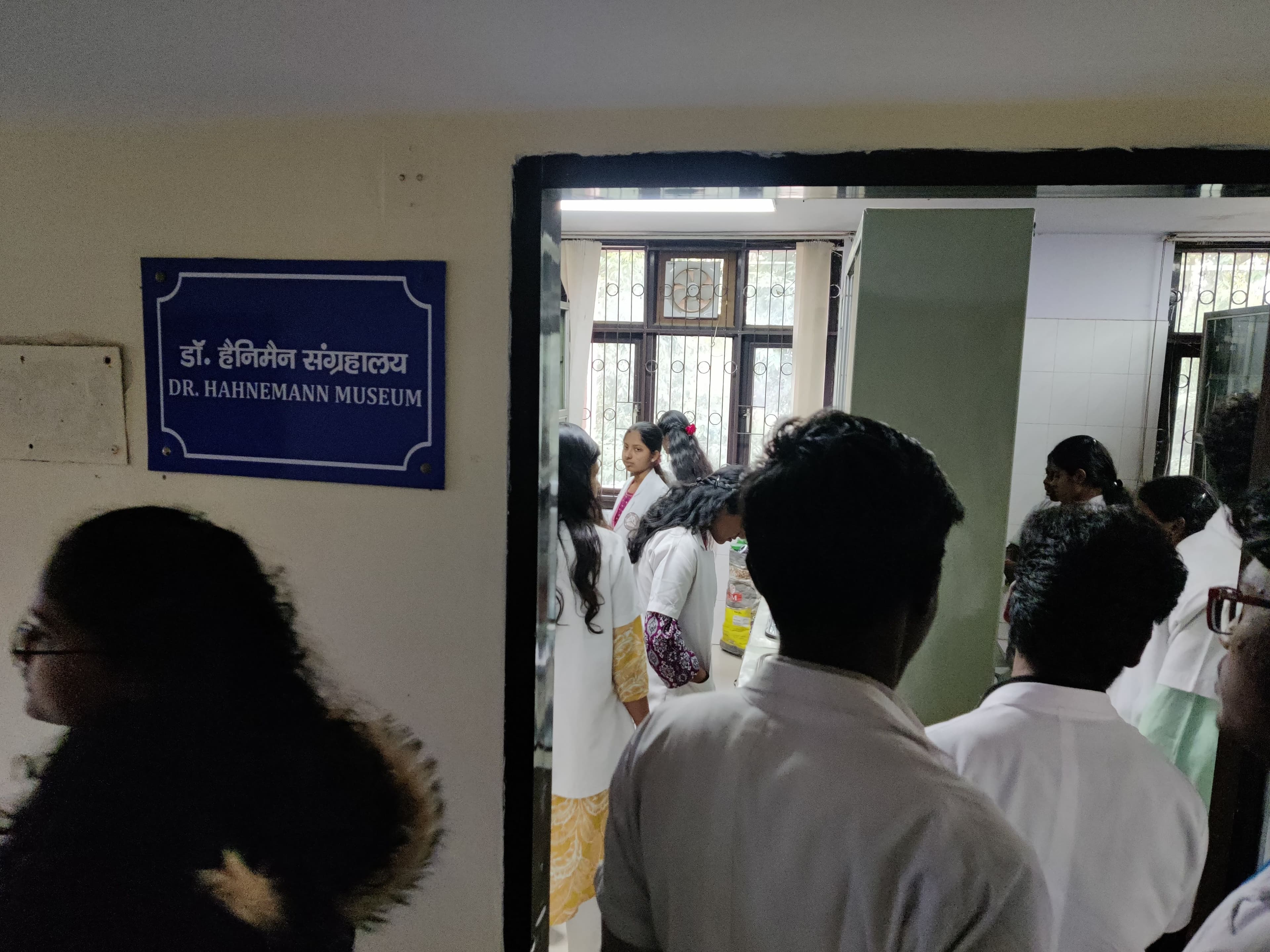
Exhibits inside the Dr. Hahnemann Museum
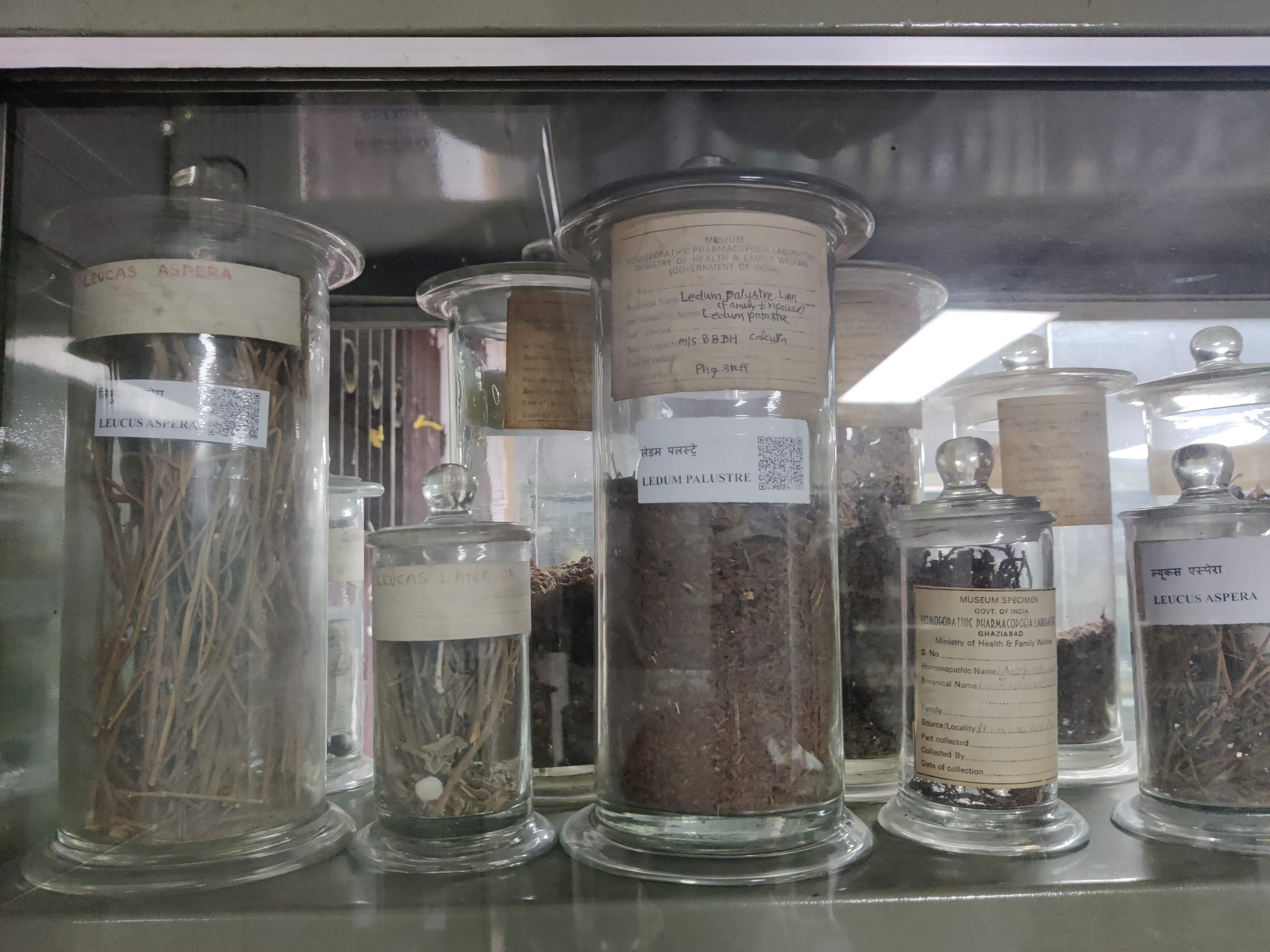
Dr. Hahnemann Museum repository
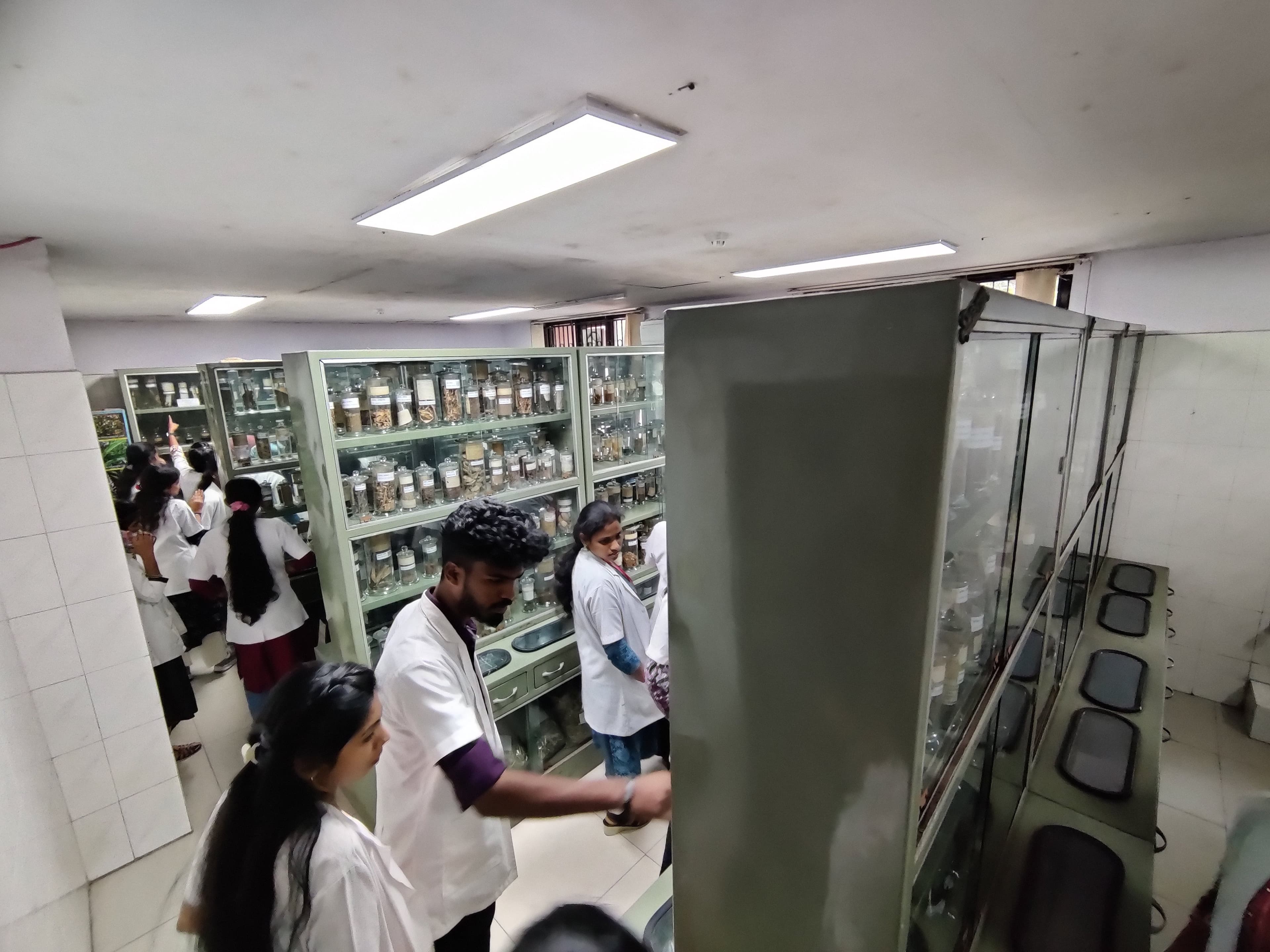
Botanical and animal specimen jars
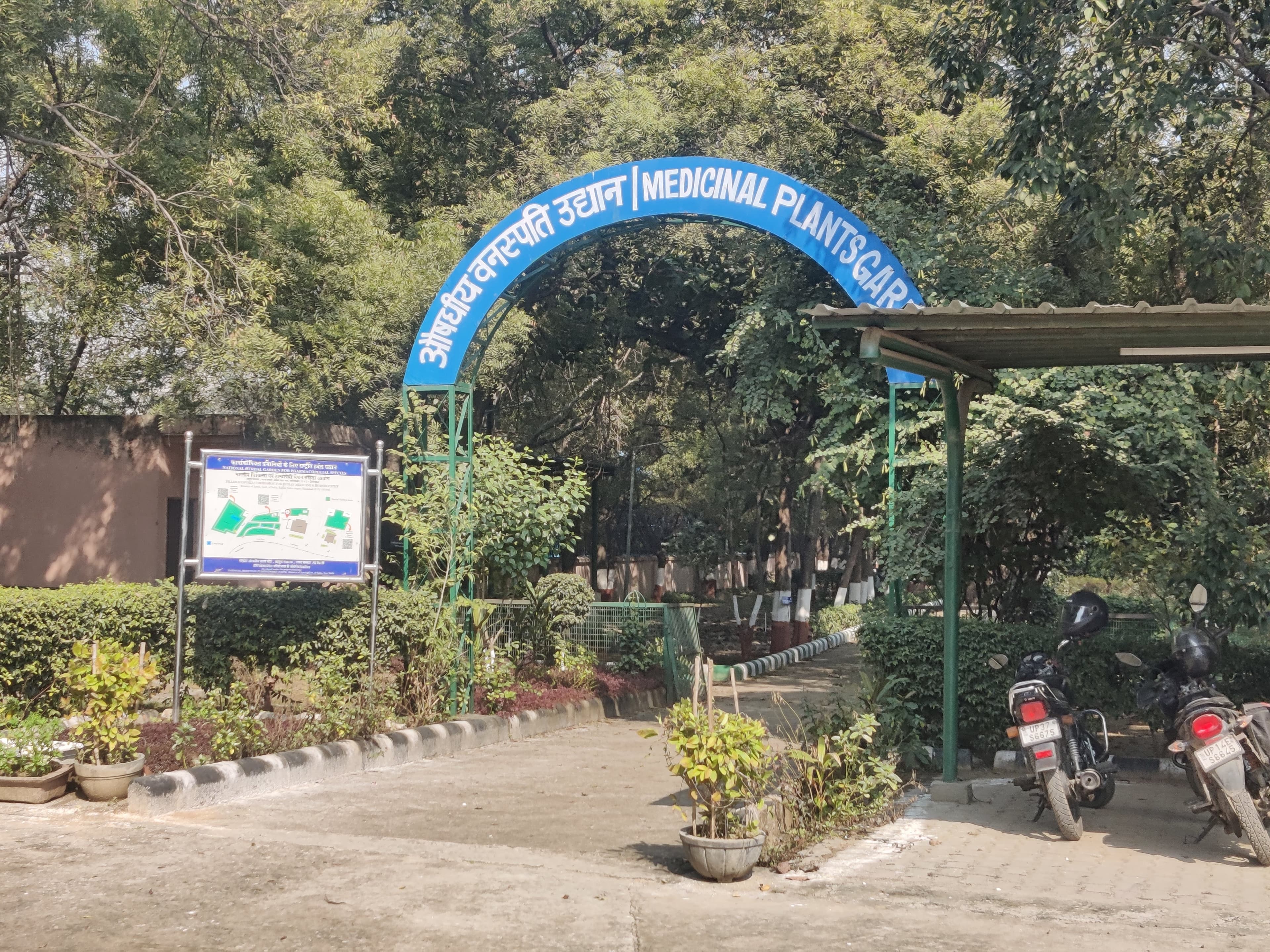
The PCIMH Medicinal Plants Garden
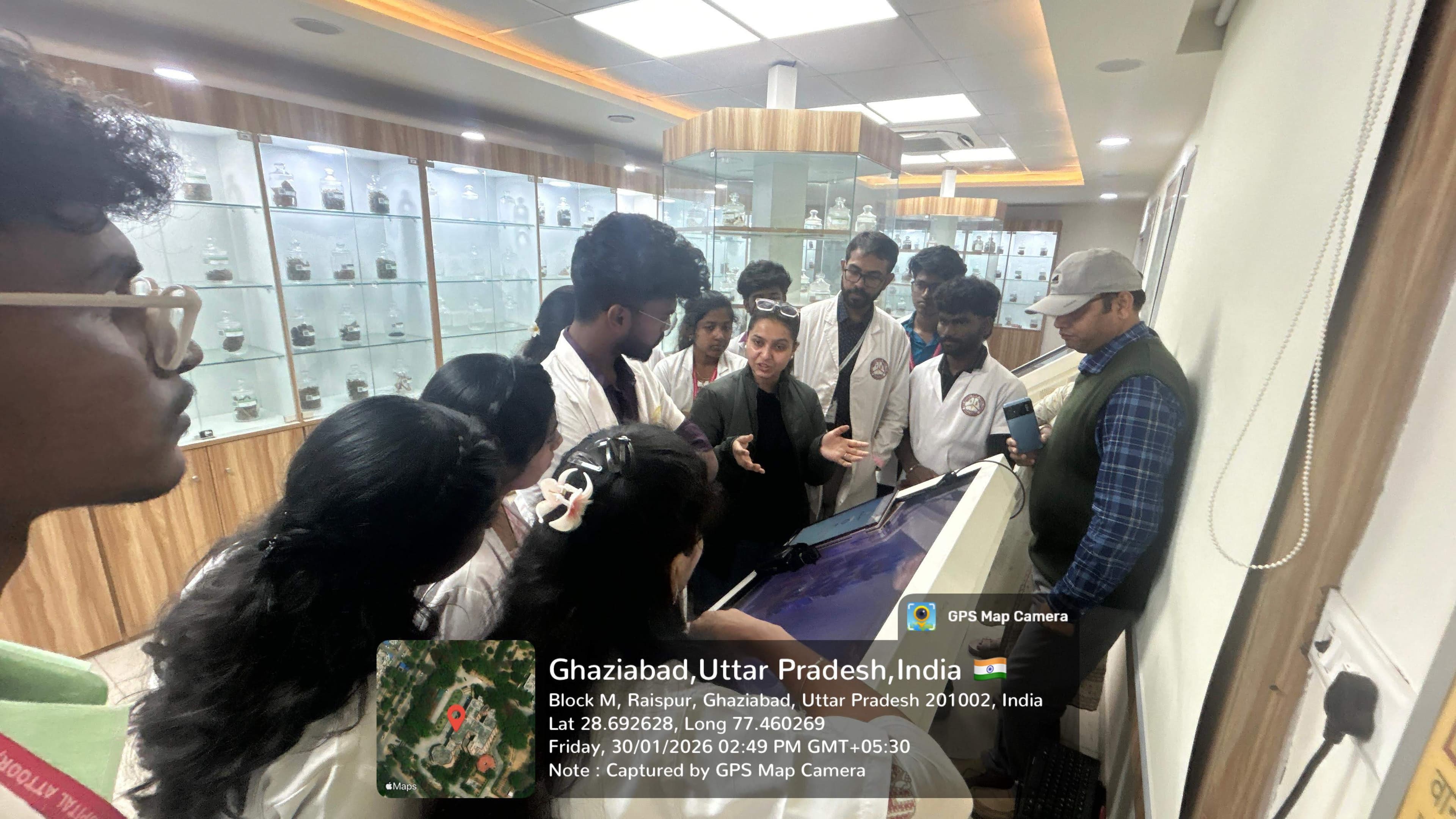
Testing the upcoming PCIMH encyclopedic AI Chatbot